
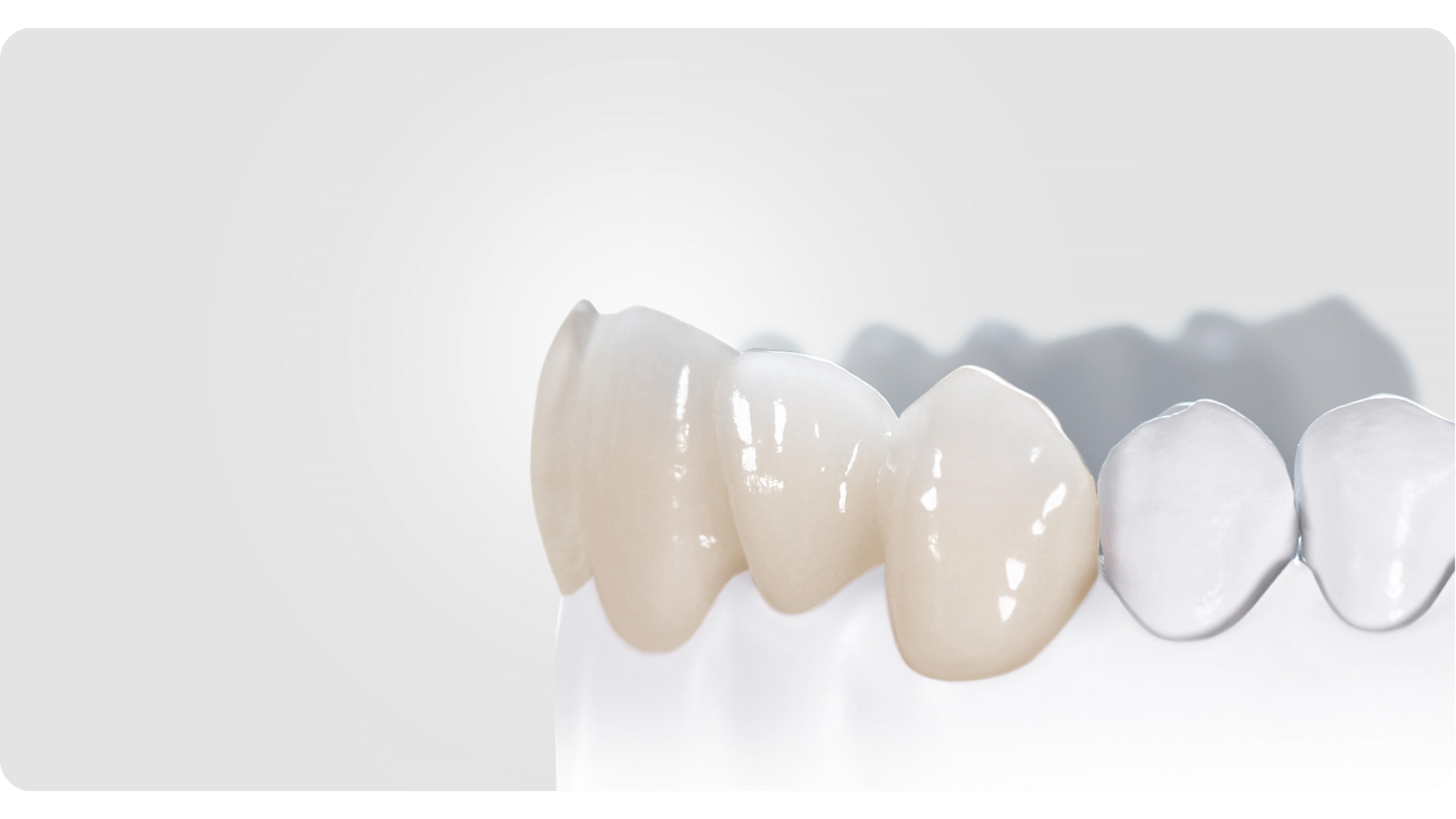
Dental decay and minor fractures are common, but when treated early, they can be managed predictably and conservatively.
At Elevate Dental Wellness, we focus on restoring teeth using high-quality restorative materials, proper isolation techniques, and evidence-based protocols. With over 20 years of clinical experience, our goal is to provide restorations that are durable, functional, and natural in appearance.
We prioritize preserving healthy tooth structure while ensuring long-term stability.
A dental filling is recommended when:
Treating decay early prevents the need for more extensive procedures such as root canal therapy or crowns.
We primarily use modern composite restorative materials for cavity treatment.
Composite fillings:
Long-lasting fillings depend not only on the material but also on technique.
We ensure:
The longevity of a restoration is influenced by oral hygiene, bite forces, and regular dental check-ups.
Older restorations may develop:
When required, we carefully remove compromised material and restore the tooth again using contemporary techniques.
When a cavity is too large for a direct filling but does not require full coverage with a crown, inlays or onlays may be recommended.
These restorations are:
Inlays fit within the grooves of the tooth, while onlays extend to cover one or more cusps.
Digital intraoral scanning improves accuracy during fabrication.
If a tooth has lost significant structure due to:
A crown may be required to protect it.
A crown:
We plan crowns carefully to maintain proper bite alignment and gum health.
The durability of a crown or indirect restoration depends on:
We use clinically proven cements appropriate for the specific restorative material and case requirements. Proper cementation is critical to ensure marginal seal and long-term performance.
Restorative procedures are performed under local anesthesia when required.
We focus on:
Most patients resume normal function shortly after treatment.
Untreated cavities may progress deeper into the tooth, potentially leading to:
Early intervention keeps treatment simpler and more predictable.
The lifespan varies depending on oral hygiene, bite forces, and cavity size. With proper care and regular reviews, they can last several years.
Modern composites provide good strength for small to moderate cavities. In cases of extensive damage, other restorative options may be considered.
If a tooth has lost significant structure or is at risk of fracture, a crown provides better long-term protection.
Yes. If a filling shows wear, fracture, or leakage, it can be replaced to prevent further decay.
If you are experiencing sensitivity, visible cavities, or discomfort while chewing, early evaluation can prevent complications.
Schedule a consultation to assess your tooth and discuss the most appropriate restorative option.
G1, Sumo Heights Appartment, Midhilapuri Vuda Colony, Road Opp. To Westside, P.M Palem, Visakhapatnam
+91 78429 18199
+91 97010 96369
elevatedental2025@gmail.com
Copyright 2026, Elevate Dental Wellness. All Rights Reserved.